Landlord approval and permits for office pods
Landlord approval for office pods is usually a short conversation rather than a consent process. A pod is freestanding furniture. It is delivered, stood on the floor, plugged in and switched on. Nothing is built, nothing is drilled into the structure and no permit is involved.
So in most leased offices the answer is yes, you can install one. What you normally need is not permission to alter the premises. It is to tell the building: book the lift, agree a delivery window and say where the pod will stand.
What follows is what we see on installs, and the facts worth putting in the email. Your lease and your building’s own rules decide the detail, and none of this is legal advice. Read the lease, or have someone read it for you.
What to send your landlord
One email usually clears it. Send the facts a building manager needs in order to say yes, and you avoid a second round of questions.
- What it is. A freestanding acoustic pod. It is not fixed to the floor, the walls or the ceiling.
- Where it will stand. The floor, the room and roughly where on the plan.
- How big and how heavy. The figures below, for the model you are taking.
- How it is powered. It needs a power socket within reach. The lighting, the ventilation and the charging all run off that one feed.
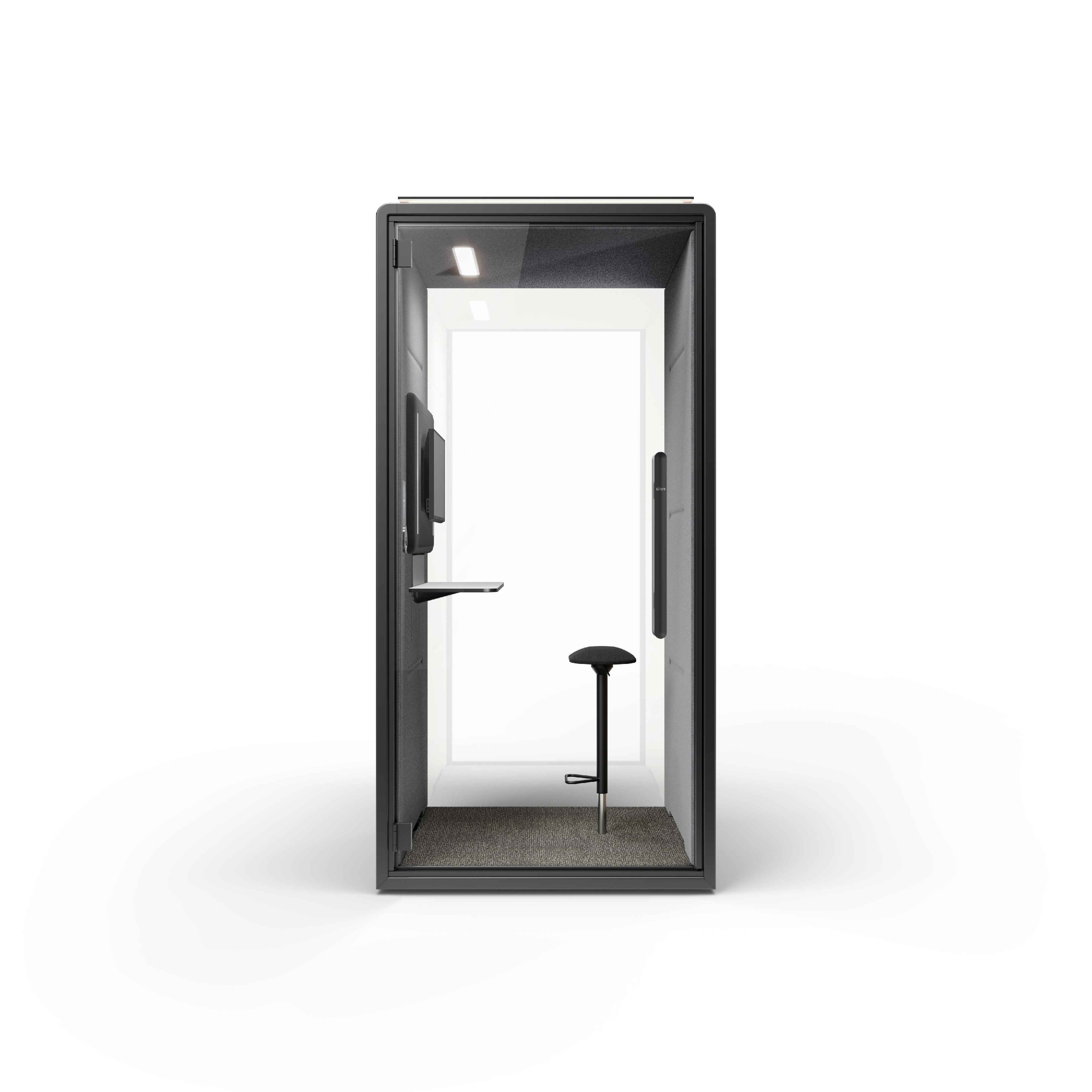
- How it arrives. One visit by one team. A Call Pod goes up in under two hours, a Work Pod in under three and a Meeting Pod in under four. The floor is usable the same day.
- How it leaves. It disassembles and moves between floors, so it comes out the way it went in.
The numbers a building manager asks for
| Pod | Height | Narrowest face | Weight |
|---|---|---|---|
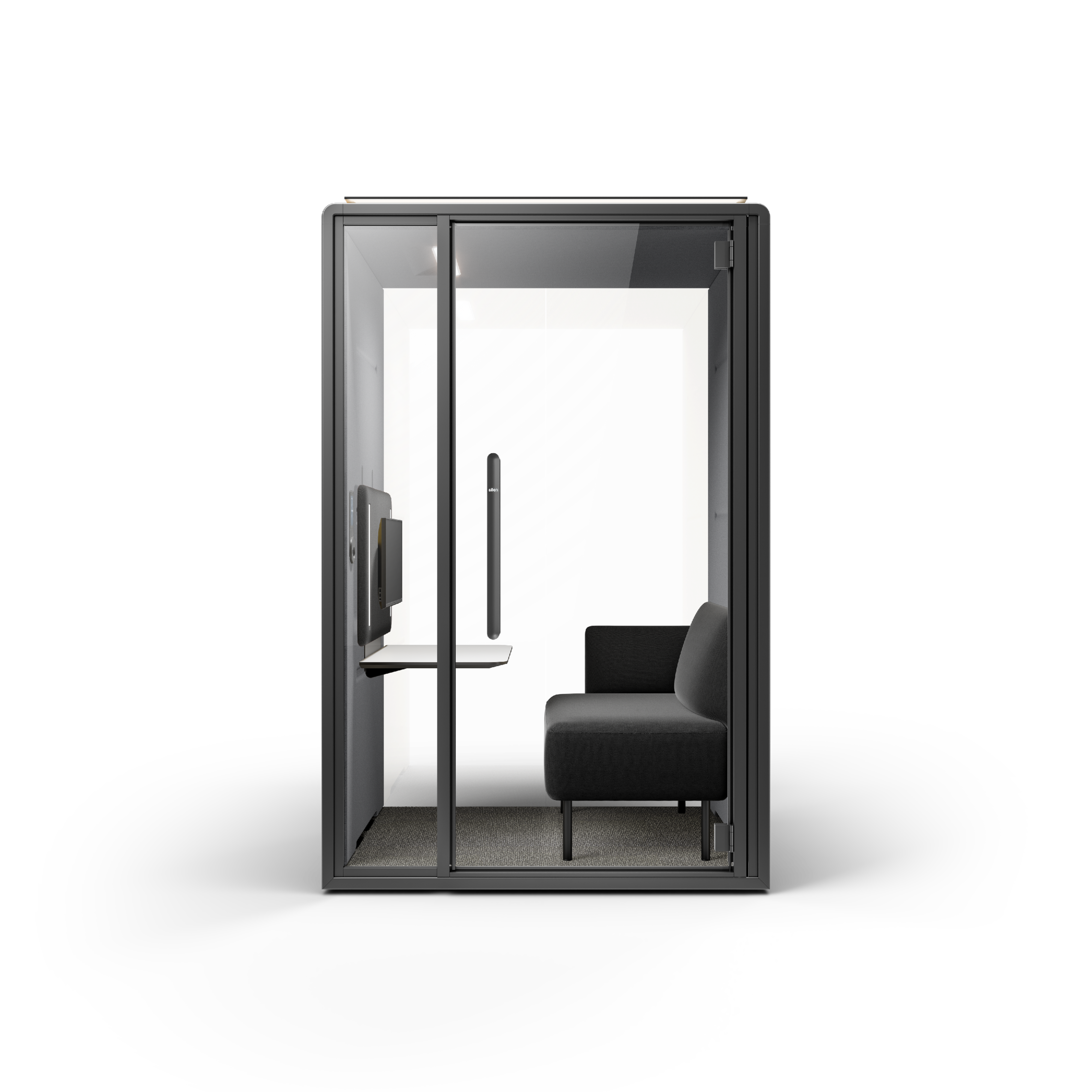
| Strata S | 91.6 in (2326 mm) | 39.4 in | 661 lb (300 kg) |
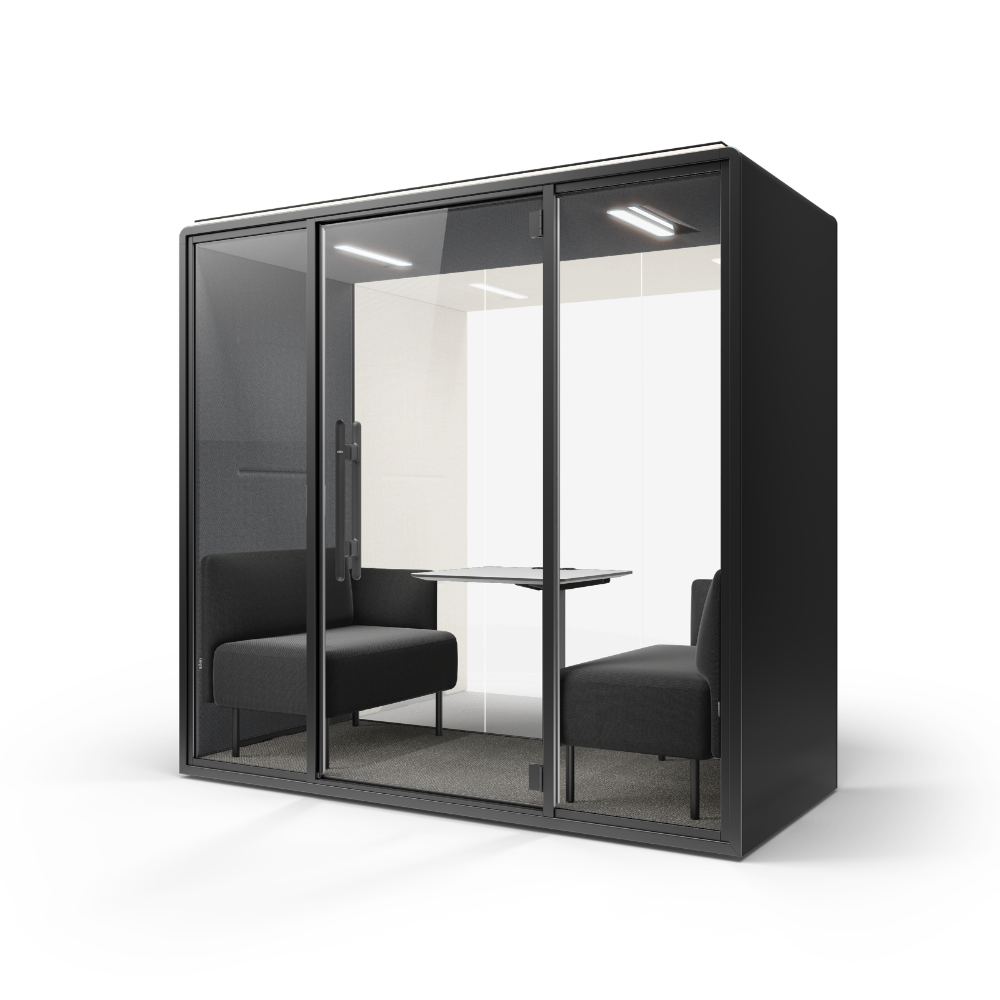
| Strata M | 91.6 in (2326 mm) | 54.1 in | 1,080 lb (490 kg) |
| Strata SL | 91.6 in (2326 mm) | 38.0 in | 1,038 lb (471 kg) |
Weights are published for the Strata range. Height is the figure that decides the lift car. The narrowest face is the figure that decides the route in. Footprint, doorways and ceiling height carries the full set, including the Framery models.
Licence to alter, or no change to the lease at all
A licence to alter exists for work that changes the premises. New partitions, a new door, anything cut into the ceiling or fixed to the structure. A pod does none of those things, which is why it normally sits outside that process.
Two things are still worth reading in your own lease.
- How it defines alterations. Some leases are drafted broadly enough to capture anything that changes the layout. If yours reads that way, say what you are doing in writing and get the yes on record.
- What it says about deliveries and shared parts. This is the clause that usually applies in practice, because the pod comes through the lobby and the lift rather than through your demise.
Ask for the approval by email rather than taking a verbal yes, and keep it with the rental agreement. It costs nothing and it ends the question for the length of the term.
Office pod permit requirements
A building permit covers construction. Nothing is constructed here: no studwork, no ceiling alteration, no fixing into the slab or the structure. That is why a pod install does not involve one, and why it happens in a single visit instead of a programme.
If your jurisdiction or your building takes a different view, the landlord’s facilities team will say so. Put the question in the same email, so the answer arrives with everything else.
Fire, access and lift rules
This is where a building manager has real questions. They are practical rather than legal, and all of them have short answers.
- Escape routes. Where the pod stands matters more than the pod itself. Keep it clear of exit routes and of anything that has to stay reachable.
- What is above the footprint. The Strata range stands 91.6 in tall. Look at what sits directly over the spot you have chosen, not only at the ceiling height.
- Services. A pod runs its own lighting and ventilation, with a silent fan moving two air changes a minute. It is not tied into the building’s systems.
- The lift. Book it, and send the weight and the height when you do. Ask whether the goods lift or the passenger lift is the route to your floor.
- The delivery window. Many buildings want deliveries outside working hours. Ask early, because it shapes your own day as much as theirs.
Tell us the floor, the lift and the narrowest doorway when you ask for a quote. Those three answers are what the delivery and installation figure is built from, and they are the same three the building will ask you.
What happens when you move out
A built room leaves you with making good, which is the cost of returning the floor to the state you found it in. A pod leaves nothing to make good, because nothing was changed. It is lifted out the way it came in.
Three practical points for the end of the term.
- Notice. After the initial term the agreement rolls on monthly, with 30 days’ notice.
- Collection. Quoted separately, the same way delivery and installation are, against the address and the access.
- Moving offices mid-term. We relocate the pod with you and handle the delivery and installation at the new address.
If the need turns out to be permanent rather than temporary, rent-to-buy opens at month 12.
Before you send the email
Most approvals come down to one message with the right facts in it: what the pod is, where it goes, what it weighs, how it is powered and how it leaves. Send those together and you usually get a yes without a second exchange.
If you are renting in Massachusetts, office pods for rent in Boston has the local delivery and support detail to quote in that email. Landlords sometimes ask whose asset is standing on their floor, and who we are and who owns the pod answers that: we keep the title and rent it to you. When you have the floor, the lift and the doorway, talk to a person and we will quote the rest.
Get a quote for your office.
Tell us the metro and the number of people who need quiet space. We reply within one business day.